Project Resources in Kaddo: connecting real system context
Project Resources make the external dependencies that shape a system visible, so people and agents can connect modules, capabilities and Work Items to real operating context.

Originally published on AWS Builder Center (Spanish). Sixth article in the Knowledge Driven Development (KDD) series.
When we talk about context for AI agents, we usually start with code, documentation, architecture or Work Items. A real system does not live only in the repository, though. It depends on databases, APIs, queues, storage, shared components and external services that shape how it works and evolves.
That context is often spread across environment variables, infrastructure, documentation and team knowledge. We may understand what a module does while still not knowing what it needs to operate. Kaddo Project Resources make those dependencies part of the project’s explicit knowledge.
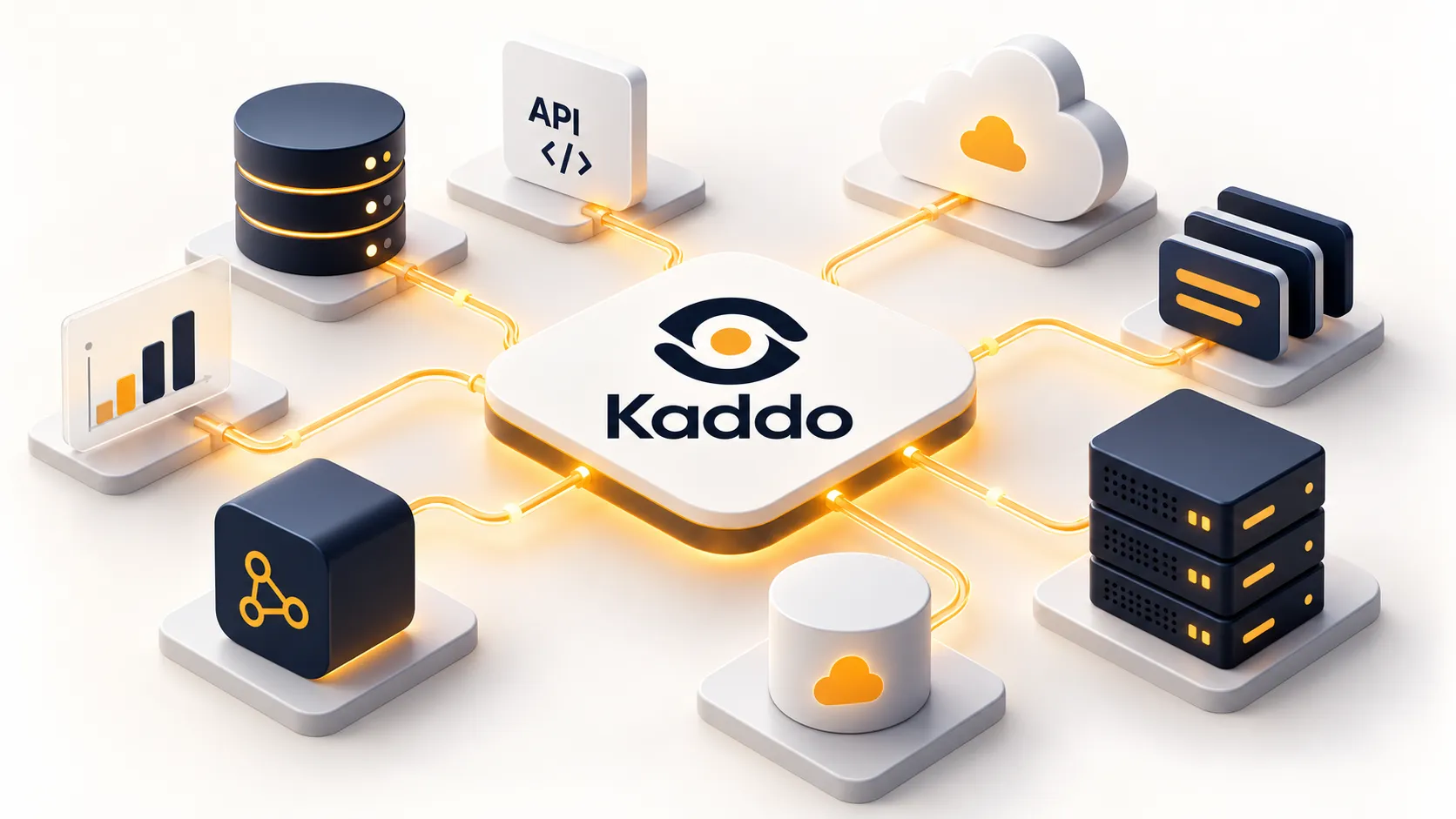
Knowing the technology is not knowing the resource
Knowing that a project uses PostgreSQL, Redis, Kafka or S3 helps explain its stack, but not how those technologies participate in the system. It does not tell us which database a module uses, why it uses it, what else depends on it, or what could be affected by a change.
Imagine an order system split between checkout, orders and notifications. Architecture can describe how modules communicate and product knowledge can identify the ability to create an order. The real flow may also depend on a database, event queue, receipt storage and external payment provider. Those are all parts of the real architecture, even though they are not code in the same repository.

Project Resources as system knowledge
The aim is not to turn Kaddo into an infrastructure management tool. It is to model the resources that matter to understanding the system and connect them to the rest of its knowledge.
A database may run in AWS, Azure, GCP or private infrastructure. For Kaddo, what matters is that it exists, its purpose, scope and dependent modules. The same applies to an external API, queue, bucket or shared service. This connects what a module does, what it depends on, what resources it uses and what work could be affected when one changes.
The value is in the relationships
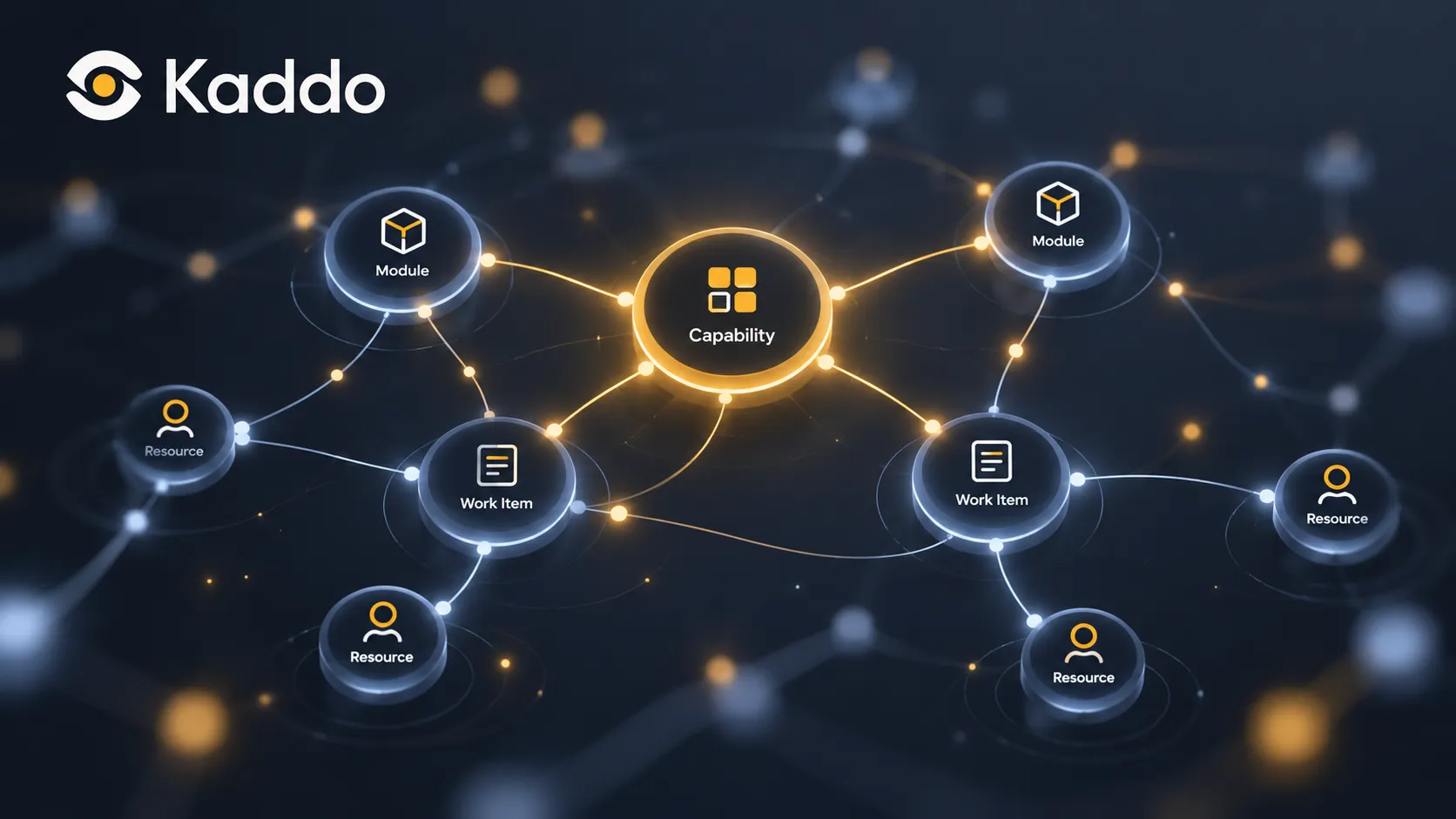
A resource in isolation provides limited information. Its value comes from relationships to capabilities, modules and Work Items. If a payments module depends on an external provider and a Work Item changes retries, that relationship changes how the work should be refined and implemented.
The Knowledge Graph becomes closer to the real system: not only modules linked to one another, but modules depending on shared resources and capabilities spanning several parts of the solution. That helps identify impact before code changes begin.
Less time rediscovering dependencies
Without this knowledge, every agent must discover dependencies again. It may find an environment variable, API call or event producer, but still has to infer its meaning and impact. The exploration repeats and relies too heavily on local signals.
Once resources are structured knowledge, the starting point changes. The agent can reason about how a change interacts with dependencies instead of discovering that they exist first. This is a practical form of context efficiency: reducing unnecessary exploration rather than adding context indiscriminately.
Better refinement, not more bureaucracy
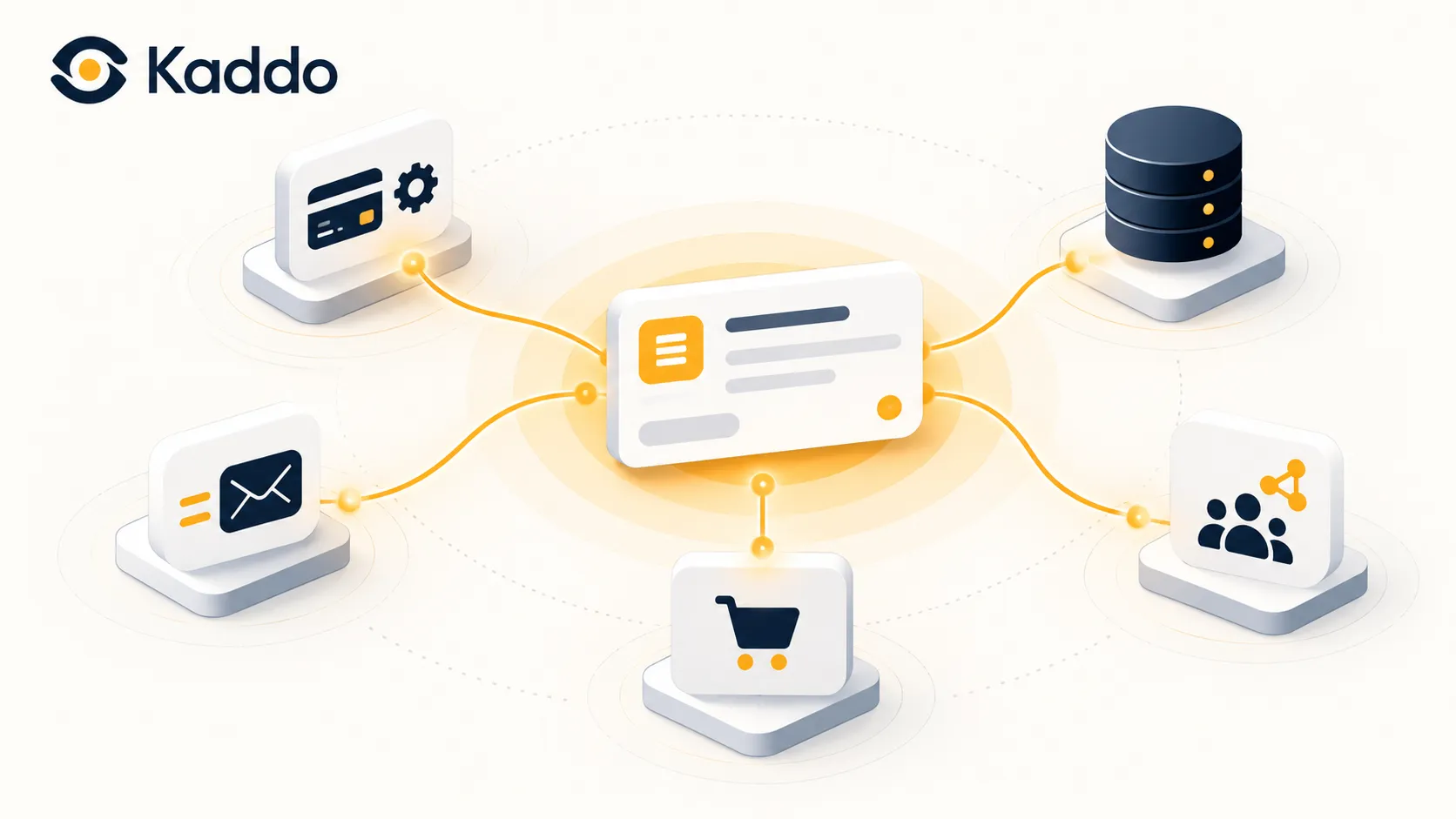
This connection is especially useful while refining a Work Item. Consider allowing an order to retry after a payment failure. Looking only at the orders module may produce a local solution. Resources raise the necessary questions: does the payment provider support idempotency, is there a queue between components, where is attempt state stored, and do other modules consume the events that will change?
The Work Item better represents the real change: not just code to modify, but the part of the system being altered and dependencies to consider before building. Resource roles bring this into the Implementation Handoff without loading the agent with the whole project inventory.

It matters even more in multirepo
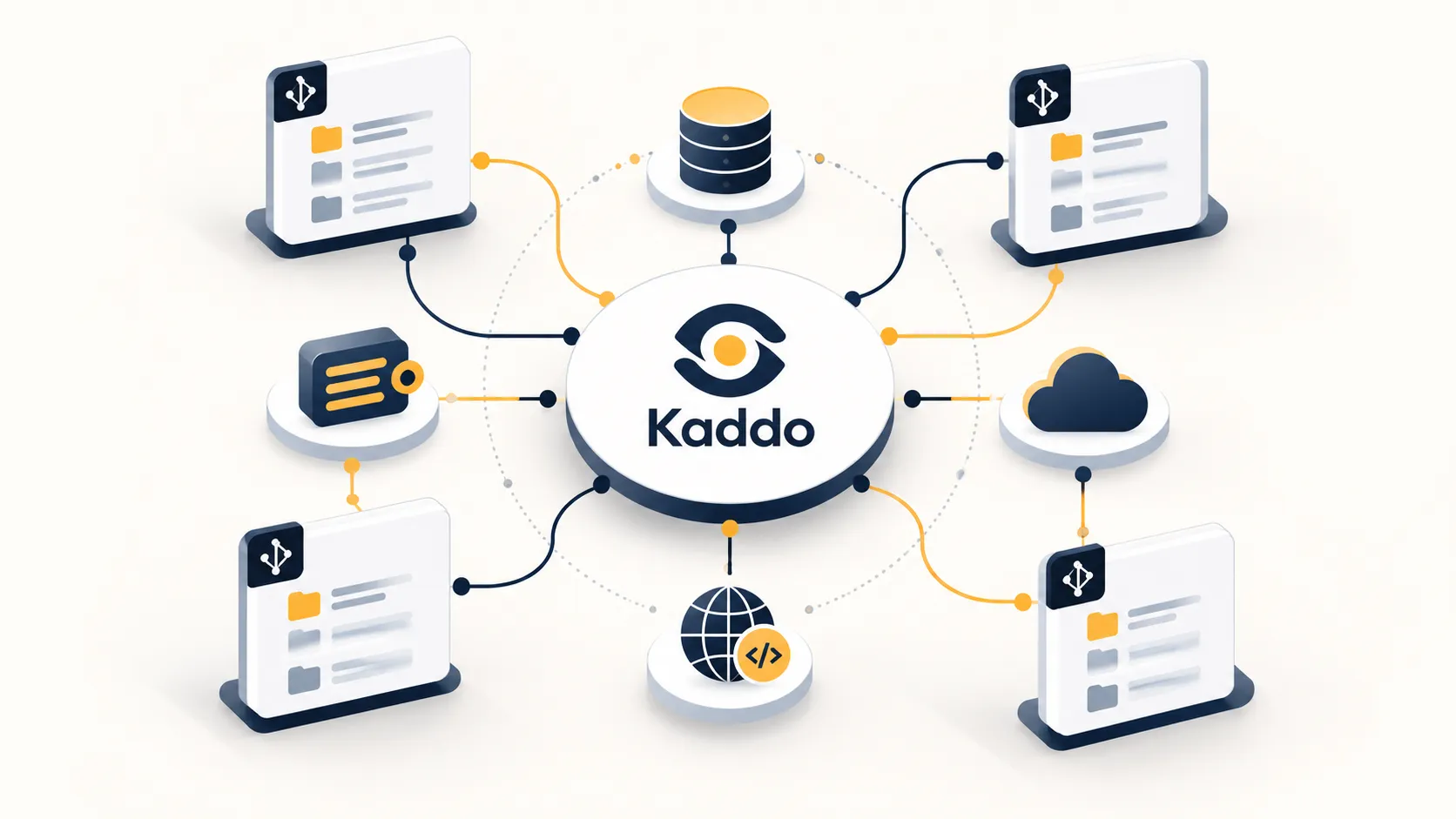
When a solution is distributed across repositories, understanding dependencies is not optional. One repository can know its implementation well while missing that it shares a database, queue or external service with other modules.
Kaddo maintains a global view from a core while each module keeps its own technical context. Project Resources connect modules through their actual shared dependencies. Two repositories that appear independent may depend on the same resource; seeing that changes impact assessment and prevents solutions that are locally correct but incomplete at system level.
Knowing is not accessing
Representing a resource does not mean storing secrets, credentials or sensitive information. Knowing that a module uses a database is knowledge; having its password is access. Kaddo records enough to reason about purpose, interfaces and boundaries, while credentials remain in tools intended to protect them.
That boundary is central: Project Resources are read-only knowledge. Kaddo does not connect to AWS, Supabase or another provider, run interfaces or store secret values.

From documents to a living model
Business explains why a system exists; Product, the capabilities it delivers; Tech, how it is built; and Delivery, how it should evolve. Modules show where responsibilities live. Project Resources expose the dependencies connecting them to services, data and infrastructure. Work Items turn that context into work, and the lifecycle carries a change through verification and learning.
The goal is not another documentation category. It is better connections between what we already know, so we can more confidently answer which product area is changing, what it depends on and what else may be affected.

Read the Project Resources documentation to model them in your project.